
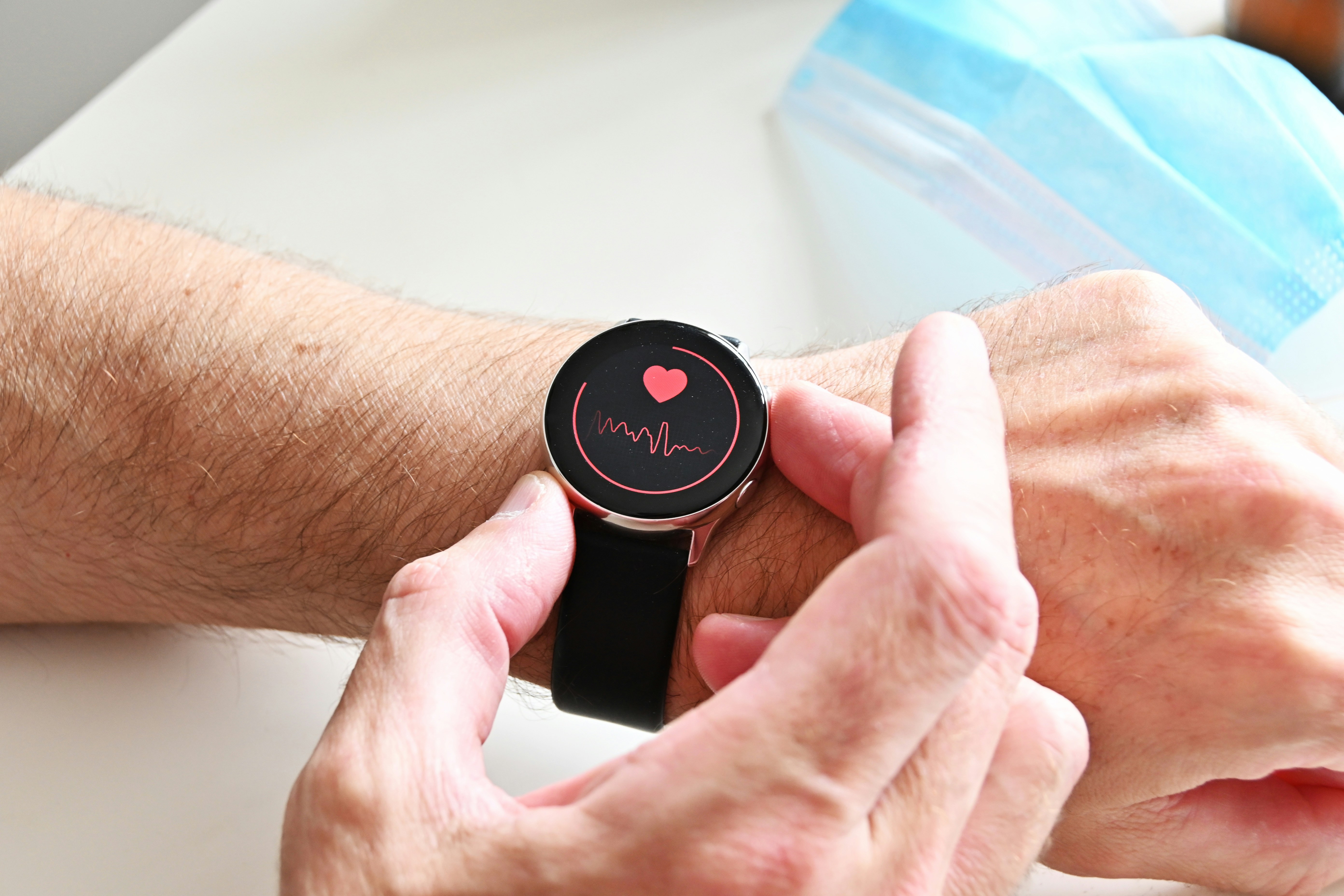
Introduction to Smartwatch Health Monitoring
In recent years, the advent of wearable technology has transformed the landscape of personal health management, with smartwatches emerging as pivotal devices in this evolution. Smartwatches are wrist-worn gadgets equipped with sophisticated sensors and software that monitor various health metrics, including heart rate, physical activity, and even sleep patterns. This integration of technology into everyday life not only enhances user convenience but also provides valuable insights into individual health and wellness.
The rise of smartwatch health monitoring can be attributed to the consumers’ increasing awareness of health issues and a proactive approach towards maintaining well-being. Manufacturers have responded to this trend, embedding advanced health features into their devices, such as ECG monitoring, SpO2 measurement, and fitness tracking capabilities. These advancements make it possible for users to keep an eye on their health metrics in real-time, fostering an environment where proactive health management becomes more accessible.
Moreover, the potential of smartwatches extends beyond merely tracking physical activity. They can serve as vital tools in the early detection of potential health problems. For instance, irregular heartbeats detected by a smartwatch could prompt users to seek further medical advice, potentially identifying conditions that may require intervention. This immediate feedback loop is crucial, as it empowers users to take charge of their health and encourages regular monitoring of vital signs, which might indicate underlying health issues.
While smartwatches offer numerous advantages in health monitoring, it is important to recognize the limitations of these devices as well. The accuracy of health data can vary based on various factors, including sensor technology and individual user behavior. Understanding both the capabilities and constraints of smartwatches is essential for optimizing their use in personal health management.
How Smartwatches Measure Health Metrics
Smartwatches have revolutionized how individuals monitor their health, leveraging advanced technologies and sensors to provide real-time data on various health metrics. One of the key technologies employed in these devices is photoplethysmography (PPG). PPG is an optical measurement technique that uses light to detect blood volume changes in microvascular tissues. This technology allows smartwatches to measure heart rate by shining a light on the skin and analyzing the amount of light that is absorbed or reflected. The information gathered not only provides insights into the heart rate but can also indicate variations that may hint at potential health issues.
Additionally, many smartwatches are equipped with pulse oximeters that utilize PPG technology to measure blood oxygen levels. By assessing the color changes in blood as it circulates, these devices can calculate the oxygen saturation levels, which is crucial for identifying respiratory problems or monitoring conditions such as sleep apnea.
Moreover, accelerometers play a vital role in tracking physical activity and sleep patterns. These sensors detect movement by measuring acceleration forces in three dimensions, offering information on the wearer’s daily activity levels, including steps taken, distance traveled, and calories burned. Through detailed motion analysis, these devices can also monitor sleep quality, differentiating between light sleep, deep sleep, and wake periods, thus providing a comprehensive overview of the user’s sleep health.
Smartwatches combine these various technologies to create a holistic view of an individual’s health profile. While they provide valuable insights, it is important to recognize the limitations of these devices. Factors such as skin tone, placement of the watch, and user activity can affect the accuracy of the readings. Thus, while smartwatches are powerful tools for health monitoring, they should complement, rather than replace, traditional health assessments performed by medical professionals.
Common Health Problems That Smartwatches Can Help Detect
Smartwatches have gained significant popularity due to their capabilities in monitoring various health conditions. One of the most notable features is their ability to detect irregular heart rhythms, known as atrial fibrillation (AFib). Many smartwatches come equipped with optical heart rate sensors that continuously track heart rate patterns. When abnormal rhythms are detected, users may receive notifications prompting them to seek further medical evaluation, which can lead to timely interventions and potentially save lives.
Another critical health issue that smartwatches can help monitor is elevated stress levels. Advanced models utilize heart rate variability (HRV) metrics to assess users’ stress responses. By analyzing changes in heart rate patterns, these devices can alert wearers when their stress levels exceed normal thresholds. Managing stress is crucial as prolonged elevated stress can contribute to various health problems, including anxiety, cardiovascular diseases, and a weakened immune response.
Smartwatches also have the capability to identify potential signs of sleep apnea, a condition characterized by interrupted breathing during sleep. Many devices feature sleep-tracking functions that can provide insights regarding sleep quality and disturbances. If a smartwatch detects irregular patterns such as prolonged periods of no breathing or excessive awakenings, users may be advised to consult a healthcare professional for a thorough assessment, which might include a sleep study.
Furthermore, smartwatches facilitate the monitoring of fitness-related issues, including activity levels, calorie expenditure, and even blood oxygen saturation. Tracking these parameters can help users to better understand their physical health, lead to improved fitness regimens, and detect early signs of potential problems such as respiratory issues or cardiovascular concerns. Regular engagement with these health metrics empowers individuals by promoting proactive health management and lifestyle adjustments.
Smartwatch Features for Health Monitoring
Smartwatches have rapidly evolved into valuable health monitoring tools equipped with various features designed to track essential health metrics. Among these functionalities, heart rate alerts play a significant role. These alerts notify the user when their heart rate exceeds or falls below a predefined threshold. Such capabilities can be indispensable for detecting potential cardiovascular issues early, urging individuals to seek medical advice if abnormalities are consistently recorded.
Another critical feature is Electrocardiogram (ECG) monitoring. Many modern smartwatches are now equipped with ECG capabilities that provide users with a snapshot of their heart’s activity. By analyzing electrical signals, this feature can help detect irregular heart rhythms, such as atrial fibrillation. Early identification of such conditions may prevent severe complications, underscoring the smartwatch’s role as a proactive health management tool.
Sleep tracking is yet another prominent functionality. Smartwatches employ various sensors to monitor sleep patterns, including duration and quality. By analyzing movements and heart rate variability during sleep, these devices can offer insights into sleep disorders like sleep apnea, alerting the user when deviations from normal patterns occur. Overall, enhanced sleep quality can correlate with improved overall health, making this feature especially beneficial.
Fitness tracking, a foundational aspect of smartwatches, serves both recreational and health-monitoring purposes. By recording physical activity levels, calorie expenditure, and workout intensity, smartwatches enable users to maintain an active lifestyle, ultimately supporting cardiovascular health and weight management. Consistency in physical activity can mitigate the risk of chronic diseases, such as diabetes and hypertension.
Finally, stress monitoring functionalities are gaining prominence as awareness of mental health issues increases. Stress levels can impact overall health and well-being significantly. Smartwatches utilize physiological metrics like heart variability to gauge the stress levels of users and suggest relaxation techniques, such as guided breathing exercises.
Accuracy and Limitations of Smartwatch Health Monitoring
Smartwatches have become increasingly popular as personal health monitoring devices, providing users with valuable insights into their physical well-being. However, it is essential to scrutinize the accuracy of the health measurements these gadgets offer. While many smartwatches can track metrics such as heart rate, steps, and sleep patterns, the data they generate may not always reflect the user’s true health status.
One significant factor that contributes to inaccuracy is the variability in individual physiology. For instance, smartwatches use optical sensors to measure heart rate by detecting blood flow through the skin. This method may lead to imprecise readings, especially during intense physical activities, where motion artifacts can interfere with the sensors’ performance. Moreover, external factors such as ambient temperature and skin tone can impact the sensors’ accuracy, highlighting the importance of calibrating the devices to each user’s unique characteristics.
Another limitation of smartwatch health monitoring is the reliance on algorithms for interpreting data. Many smartwatches employ proprietary algorithms for calculating metrics like stress levels and VO2 max, which may not align with medically validated methods. This discrepancy raises concerns about the reliability of using smartwatch data for diagnosing health conditions. Furthermore, the scope of health monitoring is limited. Smartwatches are primarily designed for fitness tracking, meaning they may not encompass comprehensive health assessments. Users should be aware that while smartwatches can indicate potential health issues, they are not substitutes for professional medical evaluations. Misinterpretation of data can lead to unnecessary anxiety or complacency regarding real health problems.
In summary, while smartwatches excel at providing convenient health information, their accuracy and limitations must be carefully considered. Individuals are encouraged to use smartwatch readings as supplementary tools rather than definitive diagnoses, thereby ensuring a holistic approach to their health management.
Case Studies: Real-Life Applications of Smartwatch Health Monitoring
Smartwatches have increasingly become integral tools for health monitoring, providing users with valuable insights into their bodily functions. Numerous case studies illustrate the effectiveness of these devices in detecting health issues early on. One notable example involves a young woman who, while exercising, noticed an irregular heartbeat registered by her smartwatch. Alarmed by these readings, she sought medical advice, leading to the diagnosis of a previously unrecognized heart condition. Early intervention significantly improved her prognosis and allowed her to manage her condition effectively.
Another example, involving a group of diabetic patients using smartwatches, highlights their significance in glucose level monitoring. These users benefitted from continuous tracking of their blood sugar levels, which is crucial for those managing diabetes. The data collected allowed for timely adjustments to their medication and dietary habits. Users reported a more proactive approach to their health, demonstrating that the integration of technology and medical care can significantly enhance disease management.
Furthermore, a case study with elderly participants using smartwatches showed promise in fall detection. One participant experienced a fall at home, and his smartwatch automatically contacted emergency services due to the abrupt decline in activity level. This rapid response was instrumental in ensuring that he received medical attention promptly, thereby reducing potential complications associated with falls among seniors.
These success stories underscore the adaptability and practical benefits of smartwatches in health monitoring. By providing real-time insights into their users’ health metrics, these devices empower individuals to take charge of their well-being, ultimately leading to earlier interventions and better health outcomes. With continued advancements in technology, the potential for smartwatches to detect health problems will likely expand further, offering even more support to individuals in managing their health.
Integration with Healthcare Providers
Smartwatches have increasingly become integral tools in the management of personal health and wellness, thanks to their ability to collect and transmit health-related data. A notable advancement in this area is the integration of smartwatches with healthcare providers, facilitating a seamless flow of information between patients and medical professionals. This communication enhances the quality of patient care and enables more effective monitoring of health conditions.
Many smartwatch manufacturers have established partnerships with healthcare providers and organizations. These collaborations aim to enhance the functionality of smartwatches beyond consumer fitness tracking and move towards a more clinical application. For example, certain applications have been designed to enable users to share their biometric data—such as heart rate, activity levels, and sleep patterns—directly with their healthcare professionals. These apps often provide secure, encrypted channels for data transmission, ensuring privacy and compliance with regulations such as HIPAA in the United States.
The applications that link smartwatches to healthcare professionals function in various capacities. Some allow real-time monitoring of chronic conditions such as hypertension or diabetes, while others enable alert systems for abnormal changes in health metrics, prompting immediate medical intervention if necessary. This level of integration not only empowers patients to take an active role in their health but also equips healthcare providers with timely and precise data to make informed decisions regarding treatment plans.
In essence, the integration of smartwatches with healthcare providers is paving the way for enhanced remote patient monitoring and more personalized healthcare. By leveraging the data collected from these devices, medical professionals can provide tailored guidance and support, consequently improving health outcomes for their patients. The continuous evolution of this technology is poised to further redefine the interactions between patients and healthcare systems, making health monitoring more effective and accessible.
Future Trends in Smartwatch Health Technology
The landscape of health monitoring technology is evolving rapidly, and smartwatches are poised to play a central role in this progression. As advancements in sensor technology and data analytics continue to emerge, the capabilities of smartwatches in detecting health problems are expected to expand significantly. Future models may incorporate advanced biometric sensors that can monitor a wider array of health indicators, including blood glucose levels, hydration status, and even stress levels through biomarker analysis.
One notable trend is the integration of artificial intelligence (AI) into smartwatch operating systems. By leveraging AI algorithms, these devices could provide real-time health insights and predictive analytics. For instance, machine learning could analyze historical health data to identify patterns, predicting potential health issues before they escalate. This proactive approach would empower users to make informed decisions about their health management, increasing engagement and adherence to wellness programs.
Additionally, the development of seamless connectivity will likely enhance user experience. Future smartwatches may feature improved integration with telehealth services, enabling users to share their health metrics directly with healthcare providers. This connectivity could foster a collaborative environment where patients and providers work together to monitor and manage health conditions closely.
Moreover, as consumer awareness about personal health grows, the demand for more accurate and user-friendly health features is likely to increase. This includes not only enhanced diagnostic capabilities but also user education through intuitive interfaces. Smartwatches may evolve to guide users through health data interpretation, making it accessible and actionable.
In conclusion, the future of smartwatch health technology looks promising, with potential advancements that could significantly enhance how individuals monitor and manage their health. Embracing new technologies and user-centric design will be crucial for smartwatches to fully realize their potential in health monitoring. As these devices continue to evolve, their role in healthcare will undoubtedly transform, providing users with proactive tools to support their well-being.
Conclusion: The Role of Smartwatches in Preventative Healthcare
As explored throughout this article, smartwatches have emerged as significant tools in the realm of preventative healthcare. Their ability to monitor various health metrics such as heart rate, sleep patterns, and physical activity presents a valuable opportunity for users to gain insight into their overall wellness. With advancements in technology, many smartwatches now feature advanced sensors and algorithms capable of detecting irregularities that may signal potential health issues. These devices can alert users to abnormalities, prompting timely lifestyle changes or encouraging them to seek medical advice when necessary.
However, while the capabilities of smartwatches in health monitoring are promising, it is crucial to recognize their limitations. Smartwatches are not substitutes for professional medical evaluations. Their data can sometimes be affected by user error, poor sensor placement, or inherent device inaccuracies. Therefore, relying solely on these wearable devices for health management may not provide a complete picture. Users should remain vigilant and consider smartwatch data as a complement to traditional healthcare practices rather than a replacement.
In balancing technological advancements with established medical approaches, smartwatches serve as a bridge toward better health awareness. They empower users to be proactive about their health, which is essential in preventative care. Regularly checking health metrics can motivate users to adopt healthier habits and encourage them to consult healthcare professionals when warranted. In a rapidly evolving digital world, integrating smartwatches into daily health practices can lead to improved health outcomes and a more informed public actively engaged in their wellbeing.
